

I started singing in clubs during my senior year of high school. Like most young singers, I was obsessed with sounding great on stage, but I had absolutely no idea how the voice actually worked. I’d heard people talk about warming up before singing, but nobody ever explained what that meant or why it mattered. Since the lowest song in our set was Talk Dirty To Me by Poison, I decided that singing it first every night was my warm up. It made perfect sense to me at the time. If I started low and easy, surely my voice would gradually wake up and be ready for the harder songs later in the night.
As I spent more time around older musicians, I started collecting all kinds of vocal advice. One night the guitarist handed me a shot glass and told me it would warm up my voice. I assumed it was water. It wasn’t. It was peppermint schnapps. I slammed it down and instantly felt like my throat and lungs had caught fire. I could barely breathe. Naturally, because I was young and clueless, I figured that if it burned that badly, it must be doing something useful. For a while, peppermint schnapps and Talk Dirty To Me became my official warm up routine.
Not long after that, someone told me lemon juice was good for singers. Unfortunately, they forgot to explain that they meant a few drops mixed into a glass of water. Instead, I was practically squirting lemon juice directly into the back of my throat before shows. Looking back, it’s no wonder I was struggling to make it through the first set without vocal fatigue. I wasn’t helping my voice; I was irritating it!
The turning point came years later when I went to see the BulletBoys perform. The opening band’s singer told me something that completely changed how I viewed singing. He said, “Your voice is a muscle. You have to train it like one.” That simple statement hit me harder than any vocal tip I had ever received. Up until that point, I had been treating singing like some mysterious talent that either worked or didn’t. Suddenly I realized there was a process behind it.
That conversation led me to take vocal lessons at a local college. The exercises I learned there were far from perfect for my voice, but they introduced me to the concept of structured training. More importantly, they put me on a path that would eventually consume the next several decades of my life.
Since then I’ve studied countless methods, worked with thousands of singers, written books, appeared on television around the world, shattered glass on MythBusters, and coached artists from bands such as Dream Theater and Papa Roach. Through all of that experience, one truth has remained consistent: singers perform better when they warm up properly.
The mistake most singers make is assuming a warm up has to be complicated. It doesn’t. The goal is not to impress yourself with fancy exercises. The goal is to prepare the muscles involved in singing. Just like an athlete stretches and prepares before competition, singers need to increase blood flow, improve coordination, and gradually wake up the muscles responsible for pitch, tone, range, stamina, and control.
Over the years I’ve found that most singers need about fifteen minutes to get fully warmed up. Some can be ready in as little as two to five minutes. Others need ten. I’ve even worked with singers who require thirty minutes or more before they feel completely prepared. Fifteen minutes seems to be the sweet spot for the majority of vocalists, which is why many of my training programs are built around that timeframe.
Programs like Voice RX, The Ultimate Vocal Warmup, and The Rock & Metal Singer’s Warmup Routine were created because singers kept asking the same question: “What’s the fastest way to get my voice ready without feeling strained?” The answer is not alcohol. It’s not straight lemon juice. It’s not singing the first song of the night and hoping for the best. The answer is a structured warm up that gradually prepares the voice for the demands ahead.
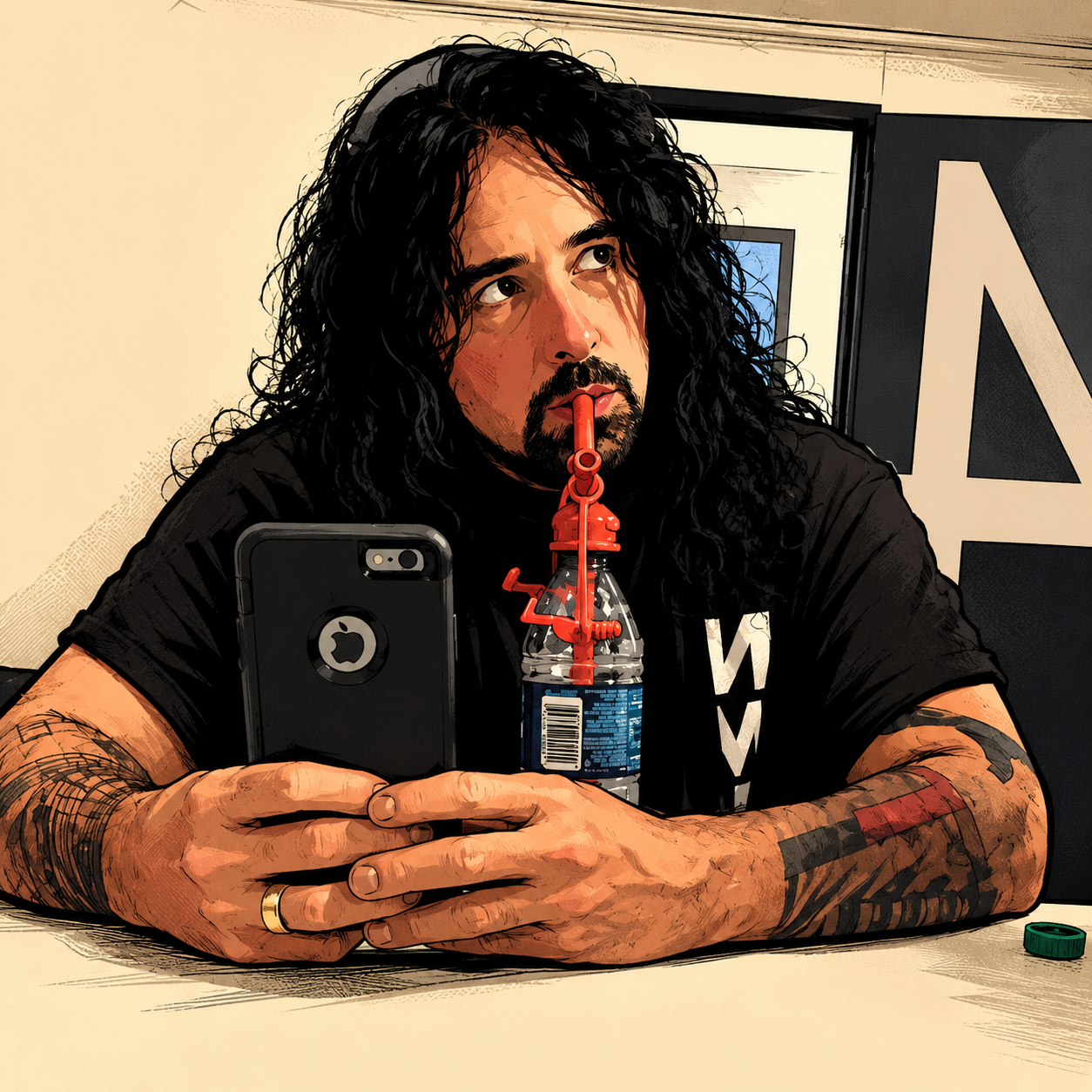
That’s also one of the reasons I love the DoctorVox. The semi occluded vocal tract exercises created by bubbling into water help balance pressure above and below the vocal cords, encouraging healthier vibration while reducing excess tension. In simple terms, the voice often feels easier, freer, and more coordinated after just a few minutes of use.
What makes DoctorVox different from simply singing through a straw is that it was designed specifically for singers. The dual tube system allows you to vocalize through one tube while using the second tube to inhale moisture. That feature alone can be incredibly helpful during long rehearsals, recording sessions, and performances when vocal dryness becomes a problem.
I also appreciate the design of the tubes themselves. Because they are slightly curved, you can maintain a more natural head and neck position instead of hunching forward. The Pocketvox to bottle connection creates a tight seal that helps maintain the back pressure responsible for many of the benefits singers experience during SOVT exercises.
Another feature many singers overlook is the numbers on the bottle itself. Water depth changes the amount of resistance created by the bubbling exercise. With DoctorVox, you can easily find the water level that works best for your voice and return to it consistently. That consistency makes training more predictable and helps you get the most out of every warm up session.
One of my favorite approaches is singing actual songs through the DoctorVox mask attachment. Instead of separating warmups from rehearsals, you can combine the two. You’re warming up the voice while simultaneously practicing real music, which is a huge time saver for busy singers.
If you’re looking for a place to start, I’ve created several free warm ups for the DoctorVox community. You’ll find them on the exercise page of this website. Pick one, stay consistent, and give your voice the same respect you’d give any other muscle in your body.
Finally, don’t overlook the cooldown. Most singers remember to warm up, but many completely ignore recovery. After a demanding rehearsal, studio session, or live performance, spending ten minutes cooling down can help your voice settle back into a relaxed state. Whether you use my free cooldown routine, or spend a few minutes bubbling on low notes with your DoctorVox, or simply stay quiet for a 10 minutes, your voice will appreciate the chance to recover.
After all these years, I’ve learned that there is no secret shortcut. Great singers don’t magically walk on stage sounding amazing. They prepare. They warm up. They perform. They cool down. Do that consistently, and your voice will reward you for years to come.
Your Vox coach,
Jaime Vendera


Leave a comment
This site is protected by hCaptcha and the hCaptcha Privacy Policy and Terms of Service apply.